
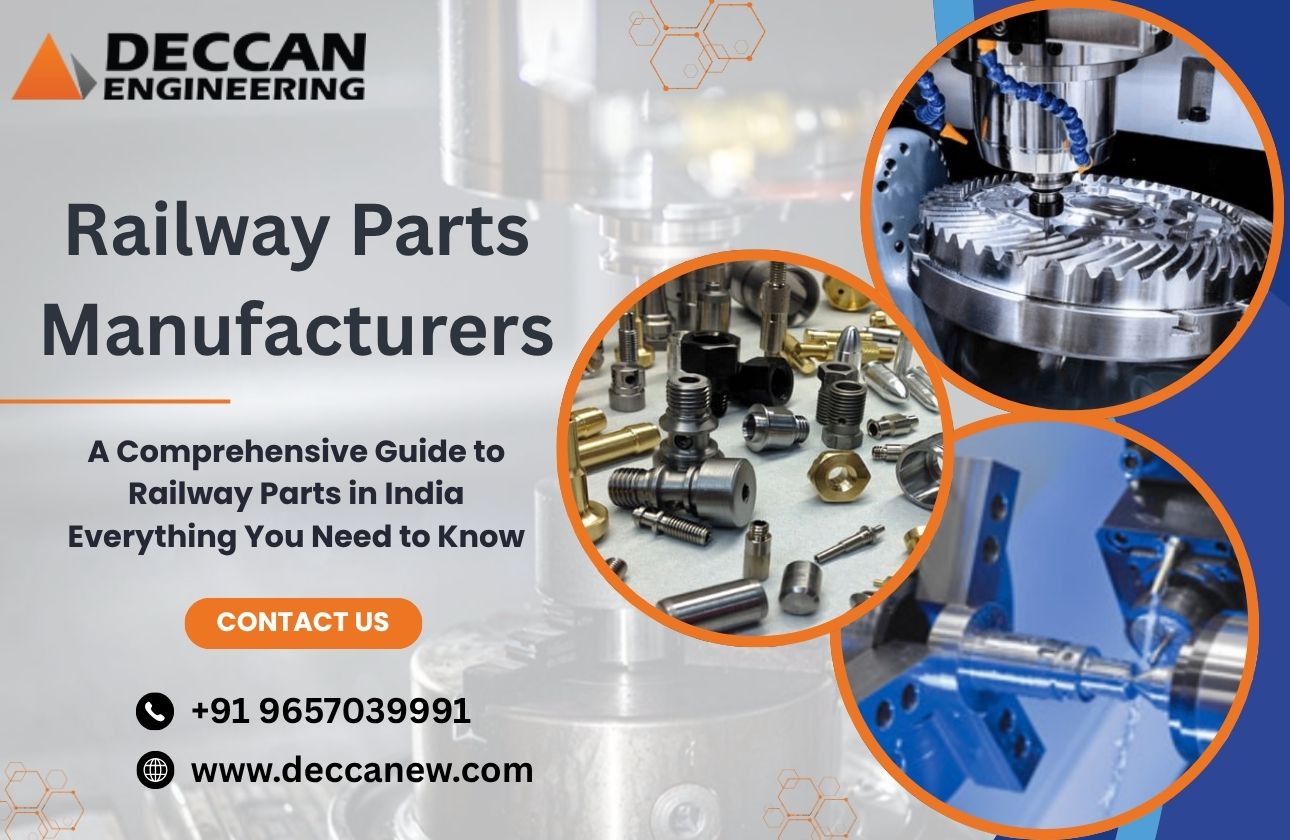
Understanding Railway Parts in India
Railway parts play a crucial role in the transportation infrastructure, especially in a country as vast and populous as India. With a railway network that spans over 67,368 kilometers, India relies heavily on the reliable functioning of these parts to ensure smooth operations. Railway parts in India cover a wide range of components including wheels, axles, brakes, suspension systems, and more. Each of these parts needs to be maintained meticulously to ensure safety and efficiency in train operations.
The Importance of Quality Railway Parts
As one of the largest railway networks in the world, Indian Railways demands high-quality parts. Quality parts not only ensure the safety of the passengers but also contribute to the longevity of trains, reducing maintenance costs over time. The focus is on sourcing parts that meet international standards to ensure that the trains function without hitches. Additionally, well-maintained railway parts contribute to the energy efficiency of train operations. The efficiency is further enhanced by partnering with top railway parts manufacturers who provide the parts with the highest standards of precision.
Types of Railway Parts in India
The railway network in India is an intricate system requiring many different types of parts. These include mechanical components, electrical systems, and digital components. Mechanical components often include durable materials like steel for rails and wheels, ensuring the trains can bear heavy loads. Electrical systems control things like lighting, while digital components are becoming increasingly important for monitoring systems and safety controls. Each of these parts is integral in maintaining the overall health of the railway system in India.
Engineering Advancements in Railway Parts
A recent trend in railway parts in India has been the adoption of advanced manufacturing technologies like CNC machining to produce parts more efficiently. Technologies like those offered by CNC machining ensure high precision and consistency, which are key for safety-critical applications like railways. With India's push towards 'Make in India', local production of railway parts has seen significant advancements, improving the supply chain within the country and reducing dependency on imports. This trend not only boosts the local economy but ensures that parts are available as needed, minimizing downtime for repairs and upgrades.
Challenges Faced by Railway Parts Manufacturers
Despite the advancements, railway parts manufacturers in India face several challenges. Regulation standards are stringent, requiring manufacturers to adhere to complex guidelines that ensure safety and performance. Additionally, intense competition and fluctuating raw material prices also pose significant challenges. While these factors can potentially impact the cost and availability of parts, successful manufacturers navigate these obstacles through innovation and strategic partnerships with global leaders in the field. High-quality manufacturing methods, like those offered by high-precision machining, help set some manufacturers apart by enabling them to offer reliable and durable solutions.
Opportunities for Growth in Railway Parts Manufacturing
The future of railway parts manufacturing in India is filled with opportunities, especially with increasing investments in rail infrastructure. The expansion of urban metros and high-speed rail projects presents an exciting avenue for manufacturers. There is also a push towards sustainability, opening up new markets for environmentally friendly and energy-efficient railway components. Advanced engineering courses and training programs offered at various institutions aim to equip the next generation of engineers to tackle these exciting challenges and seize new opportunities.
How Indian Manufacturers are Competing Globally
As Indian railway parts manufacturers aim to tap into global markets, there's a strong emphasis on quality enhancement and building sustainable practices. Compliance with global standards and acquiring certifications help Indian companies enter new markets. Leveraging advanced manufacturing techniques and maintaining a focus on research and development are key strategies. Additionally, collaborations with foreign firms allow knowledge transfer and access to cutting-edge technologies, placing Indian manufacturers in a strong position globally.
Frequently Asked Questions
1. What are some essential railway parts in India?
Answer: Essential parts include wheels, axles, brakes, track fittings, suspension systems, and electrical components, all crucial for safe and efficient operations of the railways.
2. Why is quality important in railway parts?
Answer: High-quality railway parts ensure passenger safety and operational efficiency. Poor quality can lead to failures, resulting in costly repairs and potential accidents.
3. What challenges do railway parts manufacturers face in India?
Answer: Key challenges include regulatory compliance, fluctuating raw material costs, intense competition, and the need to keep up with technological advancements.
4. How are Indian railway parts manufacturers enhancing quality?
Answer: Indian manufacturers are adopting advanced technologies like CNC machining and focusing on quality certifications to enhance the durability and reliability of their products.
5. What opportunities exist for railway parts manufacturers in India?
Answer: Opportunities include supplying parts for expanding urban rail projects, high-speed rail initiatives, and innovation in sustainable and energy-efficient rail components.